
How Presidential Elections and Economic Policy Impact Investors
The 2024 platforms are taking shape. Why election years rarely change the long-term path for investors.
How Presidential Elections and Economic Policy Impact Investors
With the presidential election just two and a half months away, we’re finally starting to see the candidates' economic policy platforms take shape. While this late unveiling has raised some concerns about potential impacts on the economy and financial markets, there's a lot to be excited about as well. Elections always bring a heightened sense of anticipation, and with the increased political polarization of recent years, emotions are running higher than ever. In this dynamic environment, it’s essential for investors to stay informed and focused on their financial goals, without letting political concerns cloud their investment strategies.
Political issues undeniably play a significant role in our daily lives, influencing everything from taxes to industry regulations. This makes elections crucial, as they allow us to express our preferences on a wide range of social and economic policies. However, it’s important for investors to cast their votes at the ballot box and not with their portfolios. History has shown us time and again that separating our personal views from our financial decisions is key to long-term success.
The Economy in the Spotlight Leading up to the Election
When viewed through a long-term investment lens, it’s clear that presidents often receive more credit (and blame) for economic conditions than they deserve. The true drivers of long-term economic performance are the underlying business cycle trends, which are far more powerful and enduring than any single administration's policies. Over time, these business cycles are what truly drive investment returns and wealth creation.
The accompanying chart highlights the steady growth of the country’s gross domestic product (GDP) since World War II, despite the dozen business cycles and recessions that have occurred during this period, including the recent pandemic downturn, the 2008 global financial crisis, and the 2000 dot-com bust.
These economic fluctuations were driven by a mix of external shocks and trends that had little to do with who occupied the White House. Major developments like globalization, the information technology revolution, and the expansion of financial markets have played far greater roles. The overall trend is clear: the economy has grown steadily over the past eight decades, regardless of which political party was in power.
Consumers are in Focus This Election Season
As the candidates’ policy platforms continue to evolve, particularly with the Democratic National Convention underway, it’s crucial to keep this broader context in mind. While economic policies do matter, it’s important not to overreact to the outcome of any single election or specific policy.
In fact, it’s often the economy that influences elections, rather than the other way around. This is particularly true because the candidates’ platforms tend to focus on what households have experienced in recent years. According to a recent poll by The Economist/YouGov, 24% of Americans rank “inflation/prices” as the most important issue, followed by “jobs and the economy” at 13%. This reflects the recent market and economic swings driven by inflation, interest rates, and Fed policy.
Even though inflation pressures have eased significantly and the economy is strong by many measures, consumer confidence remains low. This is largely due to the dramatic rise in consumer debt, as shown in the chart above. Non-mortgage consumer debt has more than doubled in the last 20 years across both Democratic and Republican presidencies, with credit card debt at record levels and student loan and auto loan balances increasing at their fastest rates since 2003.
That’s why both President Trump and Vice President Harris have centered their economic platforms around consumers. Despite their social differences, their economic proposals share broad similarities, focusing on the cost of living, including groceries, prescription medications, and housing. Recently, both candidates have also agreed on expanding child tax credits and not taxing tips. Politically, it makes sense for both to appeal to those who feel “left behind” after the economic challenges of the past few years.
Taxes and the Deficit are also in Focus
Naturally, there are also key differences between the candidates, particularly in areas like taxes and the policy tools they would use. Trump is in favor of extending his administration’s tax cuts and potentially lowering corporate tax rates, while Harris has focused more on tax credits for middle- and lower-income Americans. Harris has also reiterated the Biden administration’s pledge not to raise taxes for those earning under $400,000 a year. Many provisions of the Tax Cuts and Jobs Act, including reduced individual tax rates, increased standard deductions, and expanded child tax credits, are set to revert to pre-2018 levels in 2025 unless action is taken.
Despite these differences, many policies often remain in place during transitions of power, and the changes that do occur tend to be incremental. This is a feature of our political system, which requires broad support to enact new policies, even when the president’s party controls Congress. For instance, the Reagan-era tax cuts have remained largely intact for decades, and many of the Trump administration’s tariffs, which were controversial at the time, have been maintained under the Biden administration.
Of course, tax cuts and credits need to be funded somehow—either through reduced spending in other parts of the federal budget, increased tax receipts, or rising debt levels. This could mean higher taxes in the future or faster economic growth.
Given that government spending tends to only increase, recent history suggests that higher government debt is the more likely outcome. Higher tax rates are also a concern for many investors, especially since individual tax rates are still quite low by historical standards. This underscores the importance of proper tax planning, ideally with the guidance of a trusted advisor, as investors look toward retirement.
Navigating the Election Season with Strong Performance
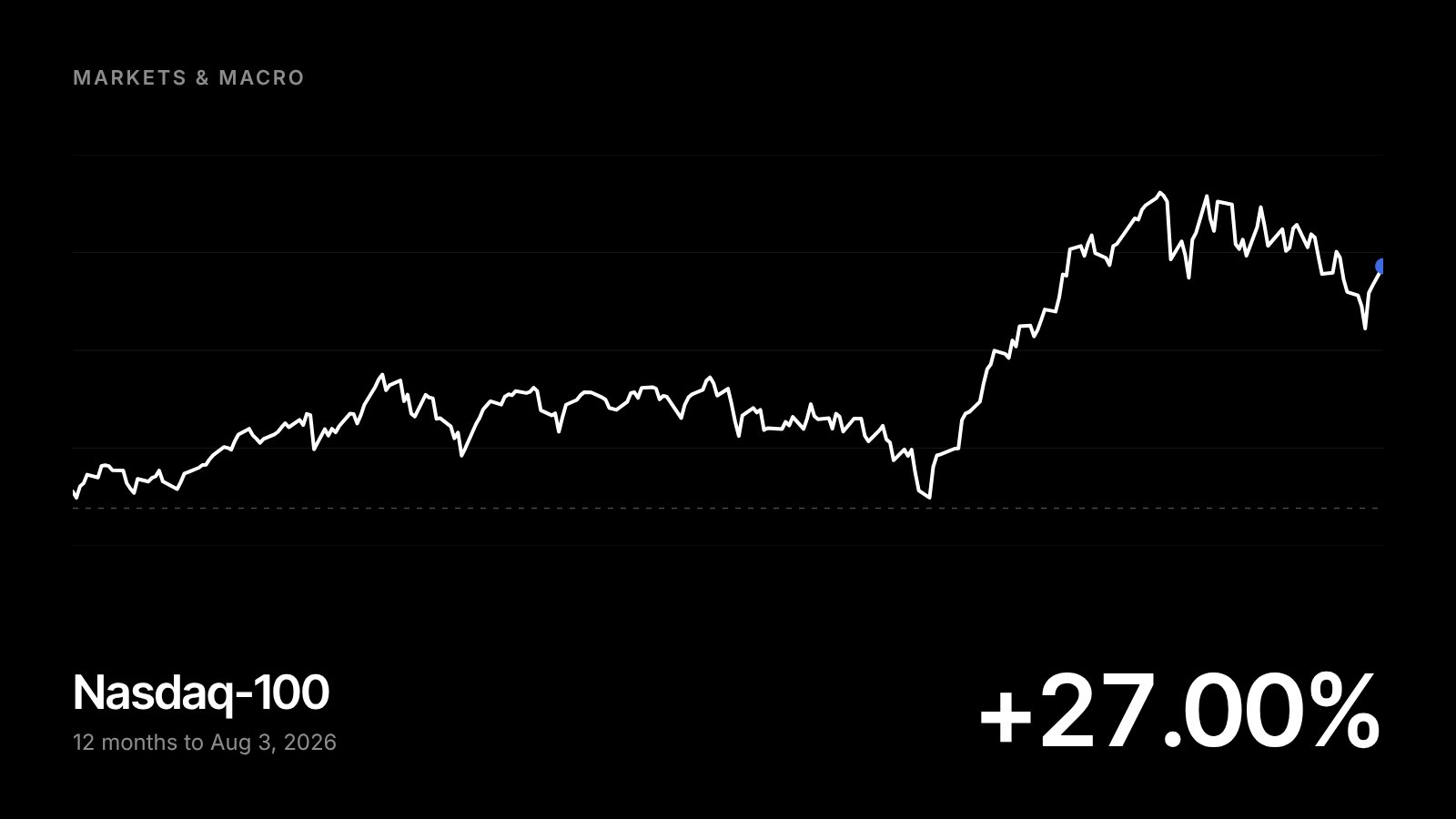
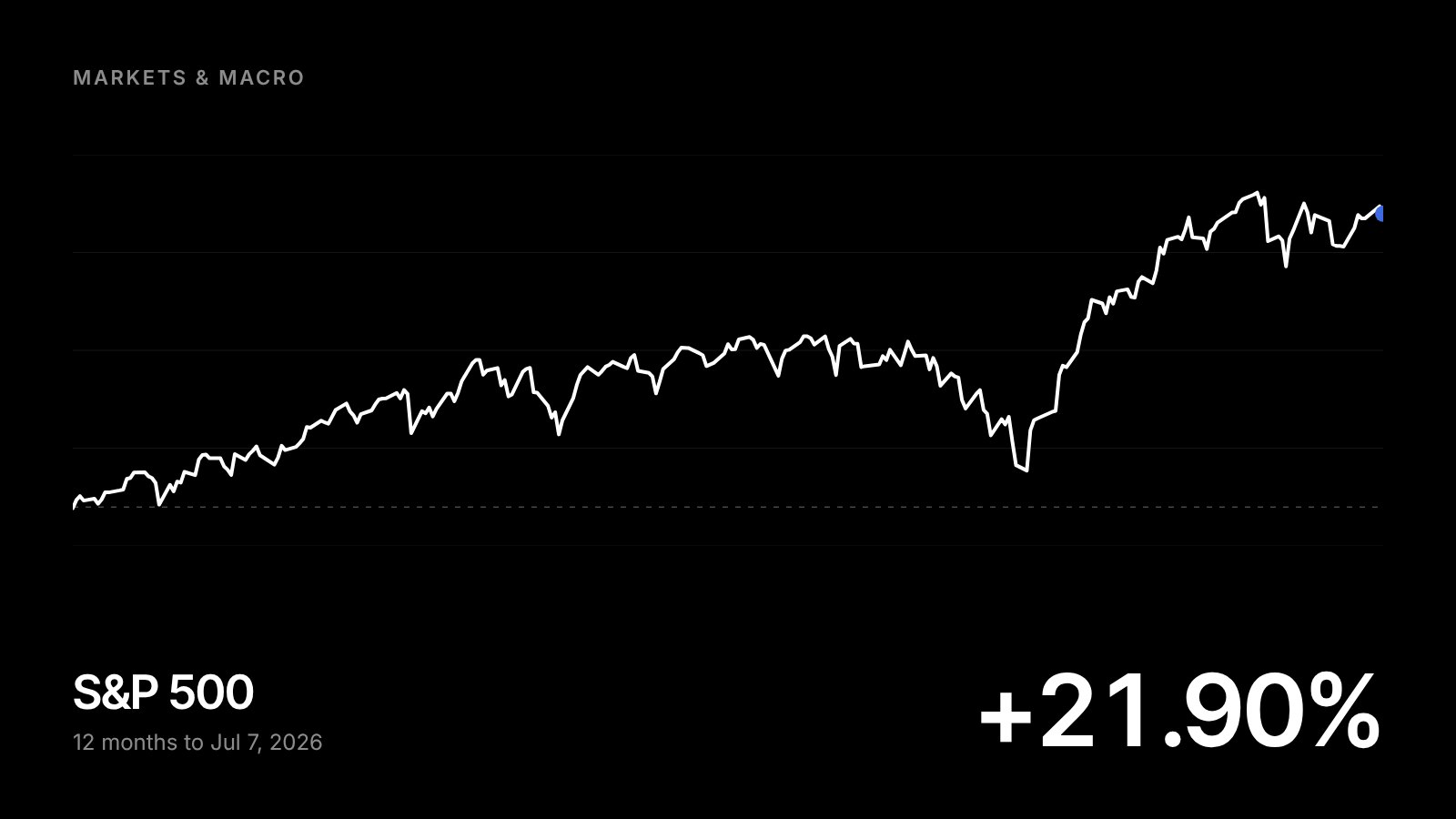
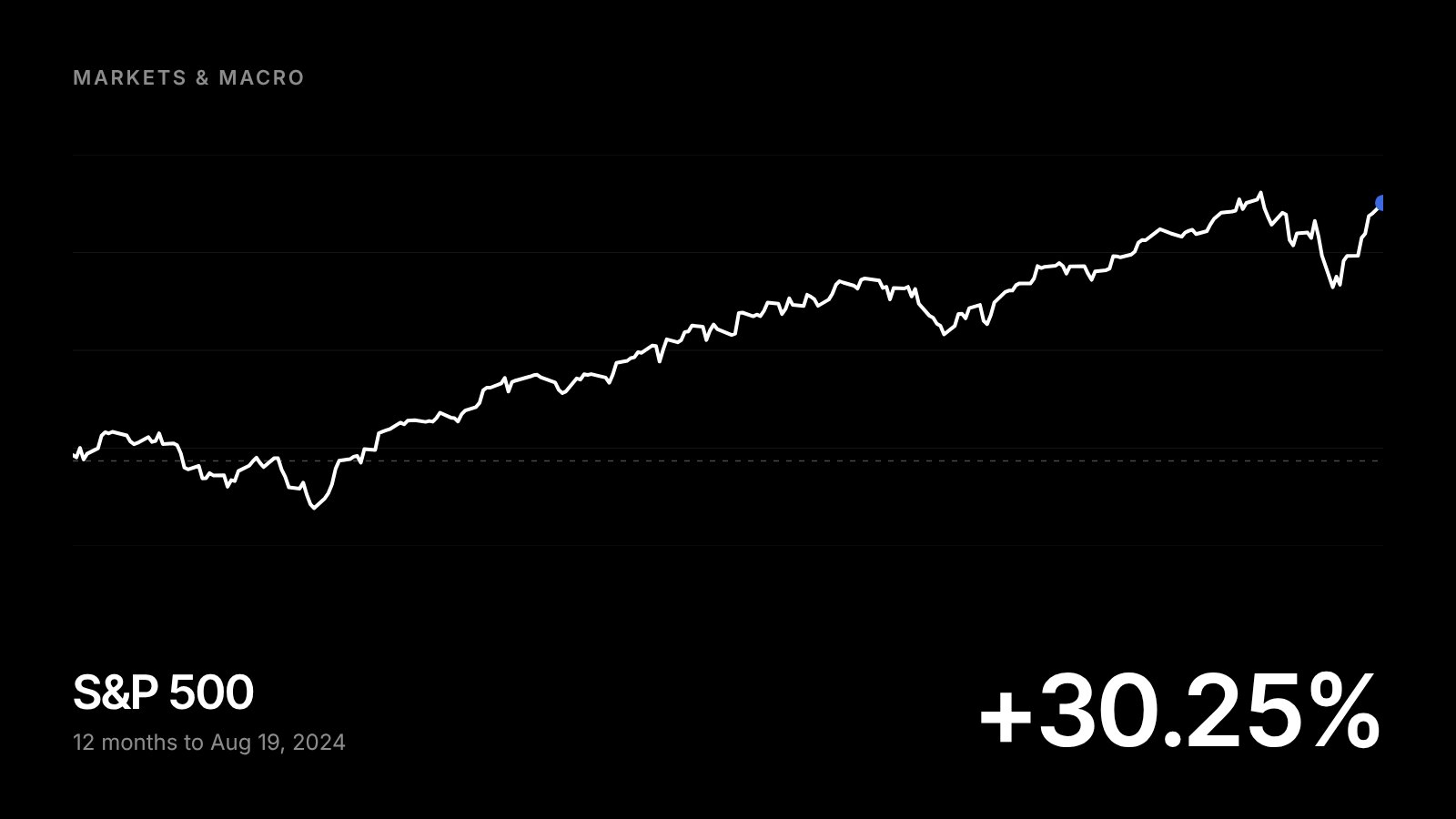
In the midst of this politically charged atmosphere, I'm excited to share some great news about our top performing portfolio this year. Our Equity Core Portfolio —a key component in many of our clients' portfolios—has delivered an outstanding 30.2% return this year, outperforming both the S&P 500, which has returned 16.4%, and the Nasdaq 100, which is up 16%. This exceptional performance is a testament to our strategic approach and timely decisions.
One of the key drivers behind this success has been our decision to take a long position in SVIX on Tuesday, August 6th, right after the VIX hit 65—its third-highest level in history. SVIX, which shorts volatility, has returned over 45% from our entry point and ranked as the top-performing ETF in the U.S. over the past week. This move has significantly boosted returns across our Core, Innovation, and Growth portfolios, further solidifying our position in a volatile market environment.
This performance underscores the importance of staying focused on long-term strategies and not letting short-term market noise or political events dictate investment decisions. Just as we’ve navigated the complexities of the current political landscape, our disciplined approach continues to deliver strong results for our clients.
The Bottom Line?
The Bottom Line? While many investors are anxious about the impact of the upcoming presidential election on the economy and markets, history shows that presidents often receive too much credit and blame for long-term economic outcomes. As we approach the election, it’s essential for investors to vote with their ballots, not their portfolios, and to stay focused on their long-term financial goals.